Competition design for a permanent exhibition at the Lubomirski Princes Museum in Wrocław
Lubomirski Princes Museum
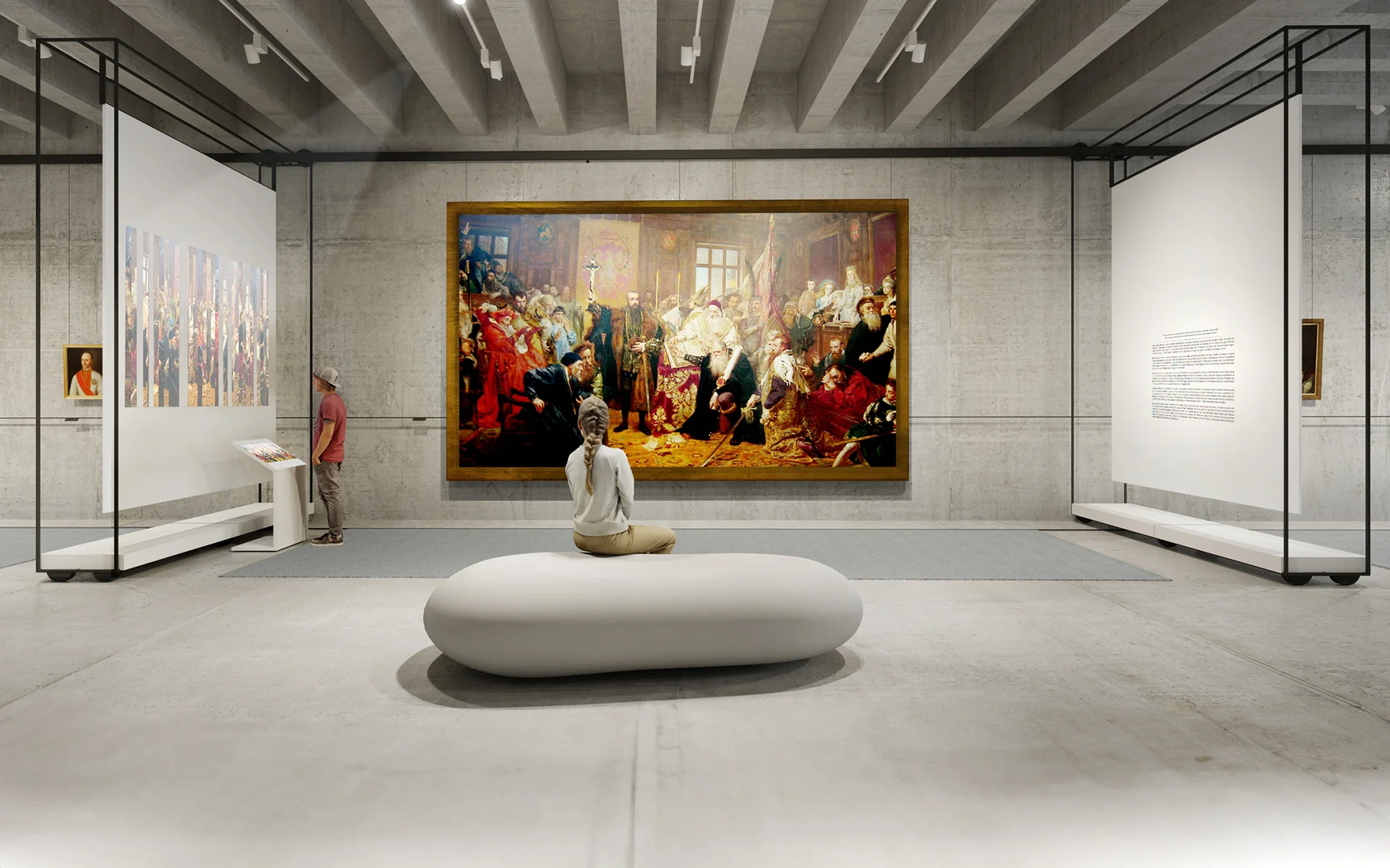
Competition design for a permanent exhibition at the Lubomirski Princes Museum in Wrocław
Lubomirski Princes Museum
‘Uczone’ exhibition about women in science
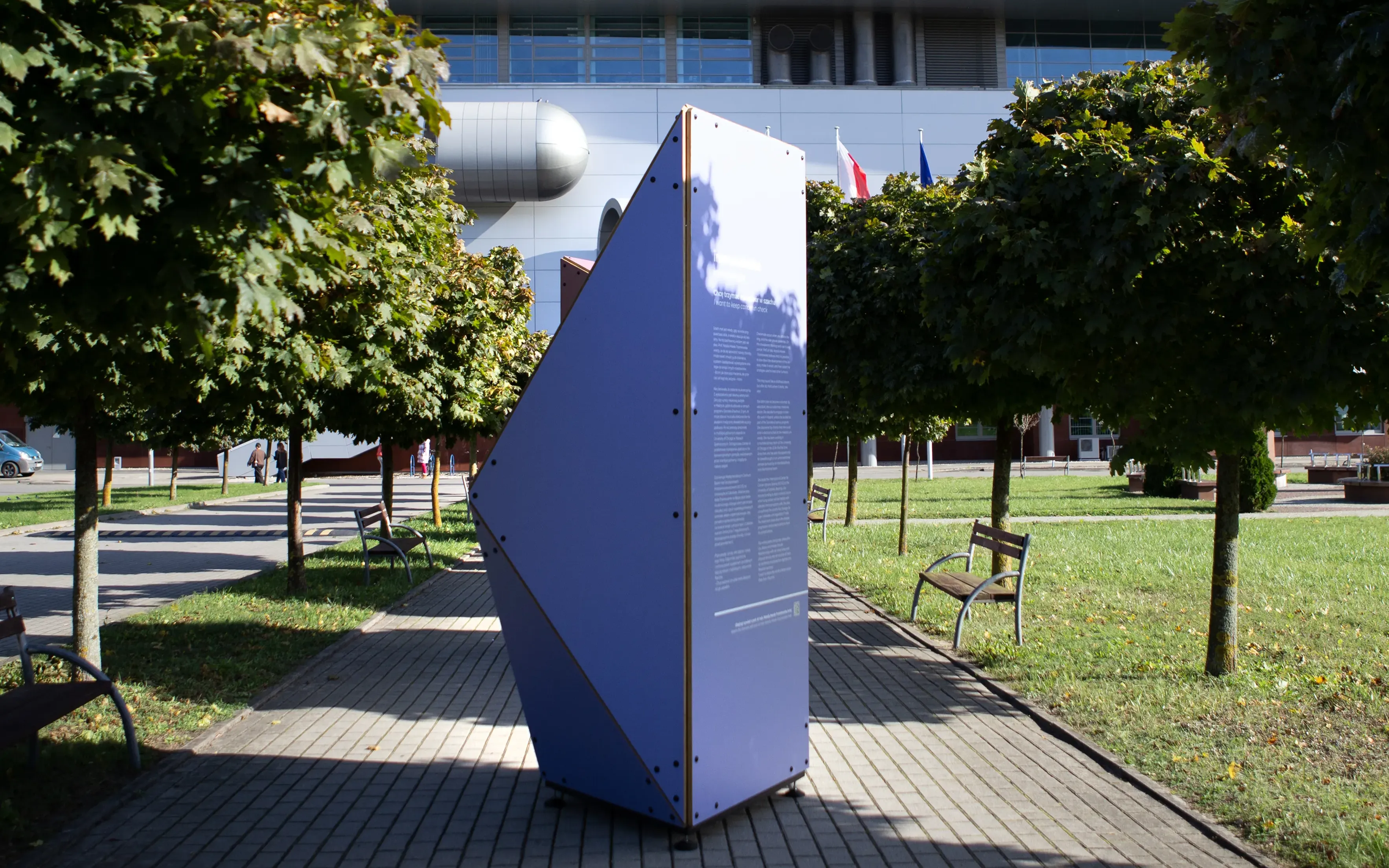
‘Uczone’ exhibition about women in science
Round Table 2019
Table for European Solidarity Centre in Gdańsk
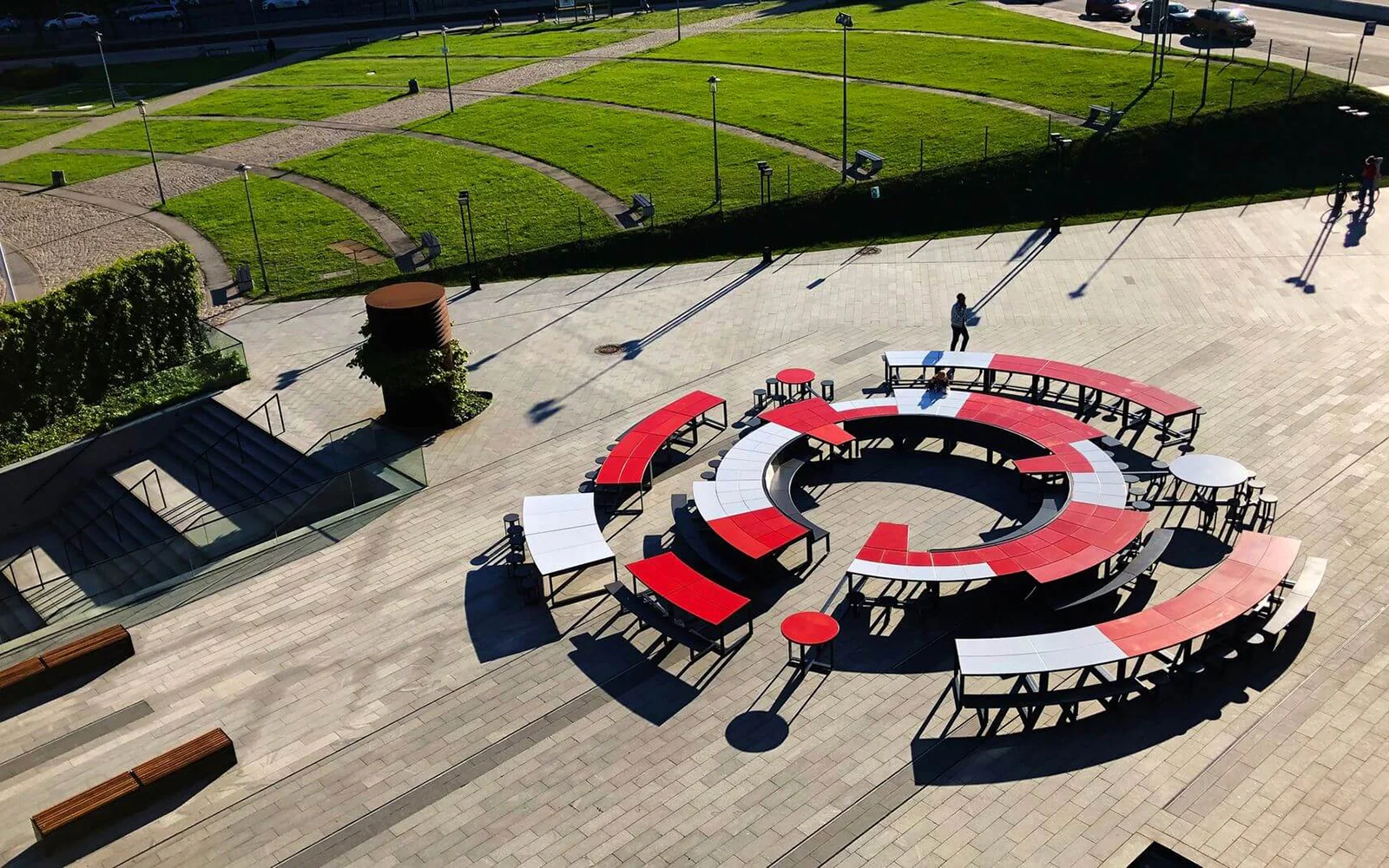
Round Table 2019
Table for European Solidarity Centre in Gdańsk
The Malbork Castle Museum
Malbork in Royal Prussia
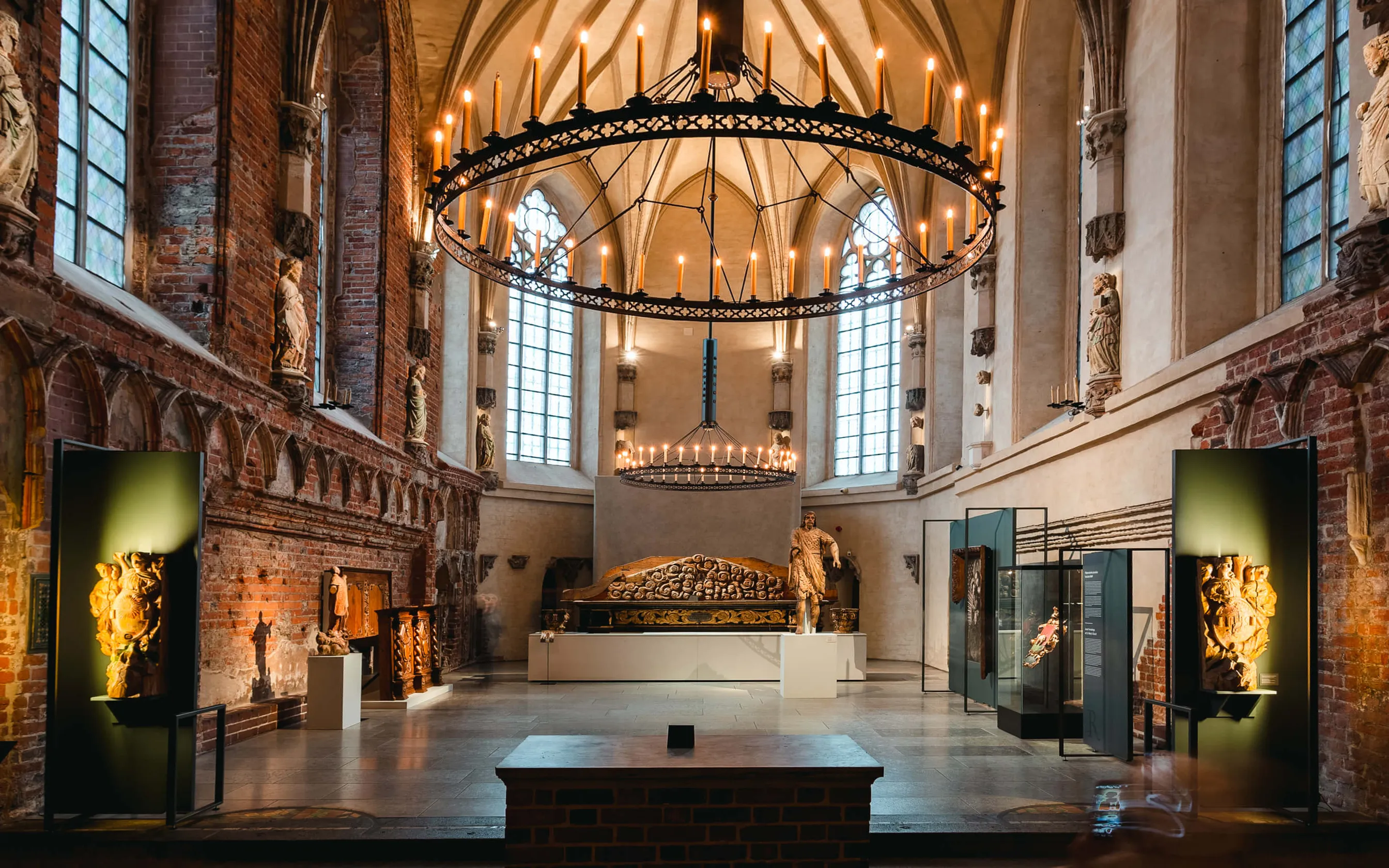
The Malbork Castle Museum
Malbork in Royal Prussia
The exhibition project "Barbara Hoff. Polish projects, Polish designers"
The exhibition project for the Museum of the City of Gdynia
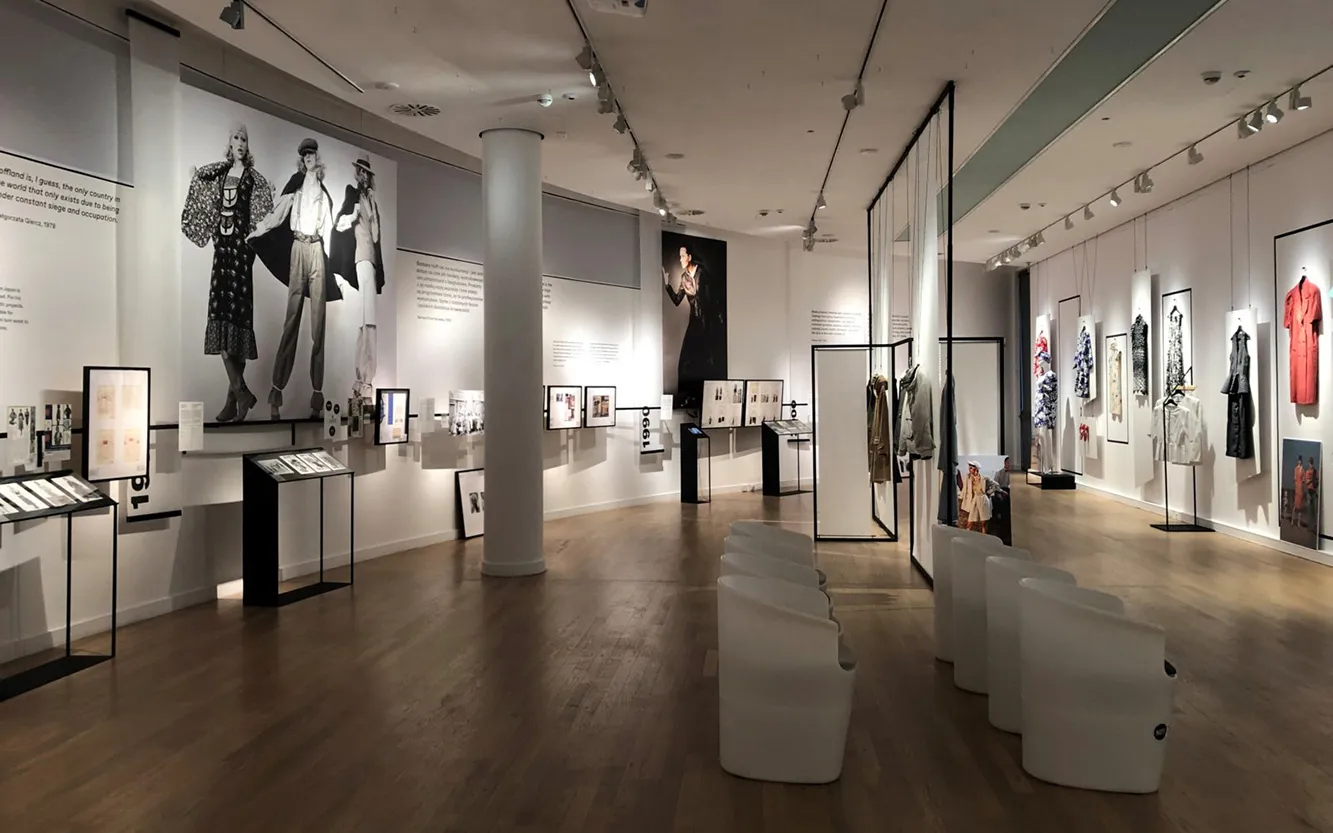
The exhibition project "Barbara Hoff. Polish projects, Polish designers"
The exhibition project for the Museum of the City of Gdynia
European Solidarity Centre – Permanent Exhibition
Large-format exhibition in the ECS building in Gdańsk
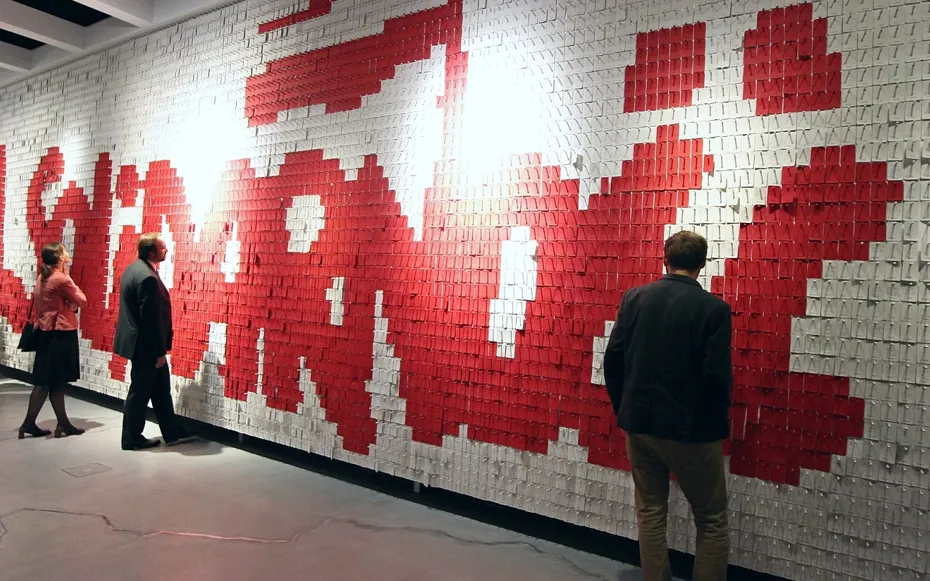
European Solidarity Centre – Permanent Exhibition
Large-format exhibition in the ECS building in Gdańsk
A permanent exhibition at the Cinematography Museum in Łódź
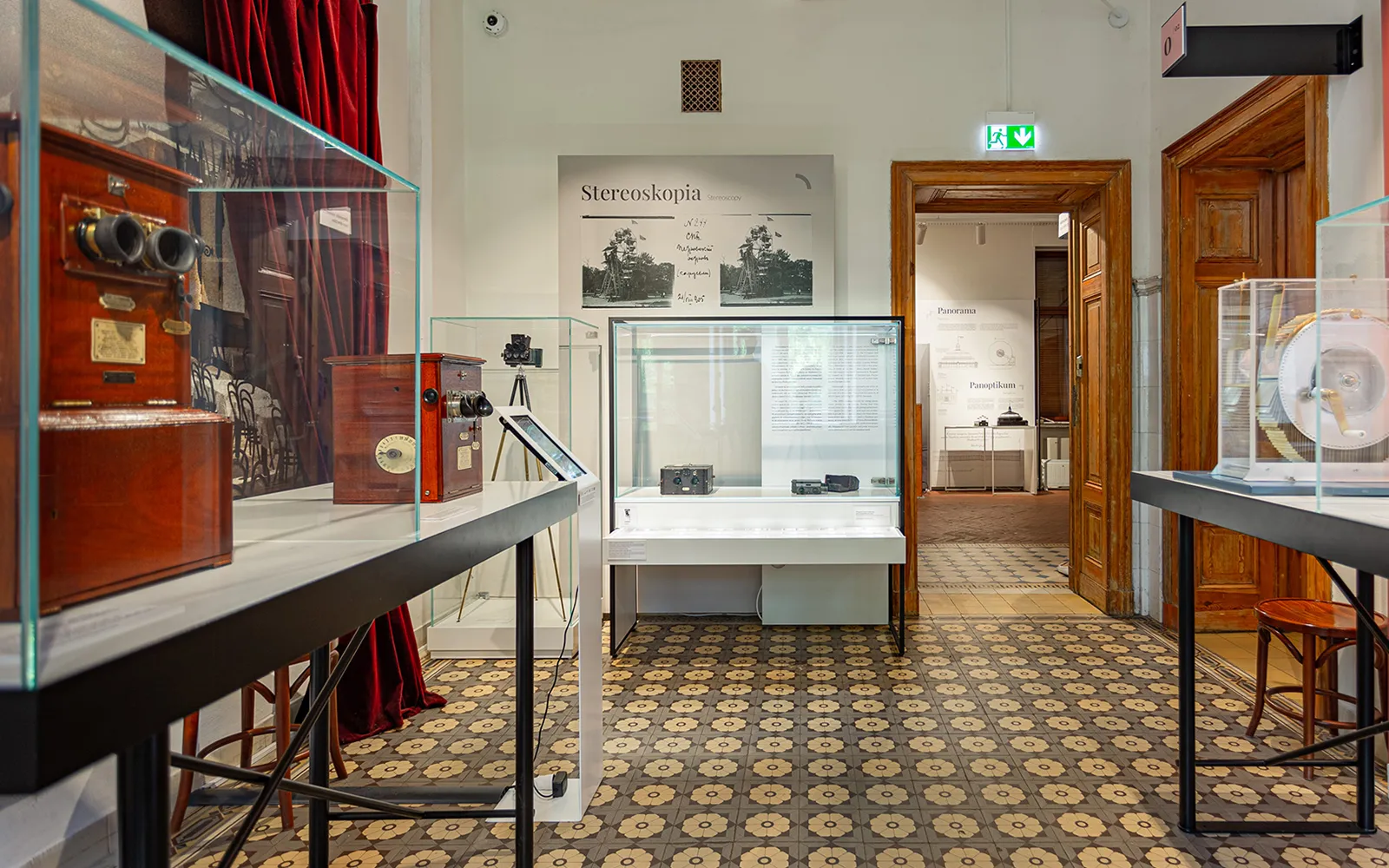
A permanent exhibition at the Cinematography Museum in Łódź
Faience Center
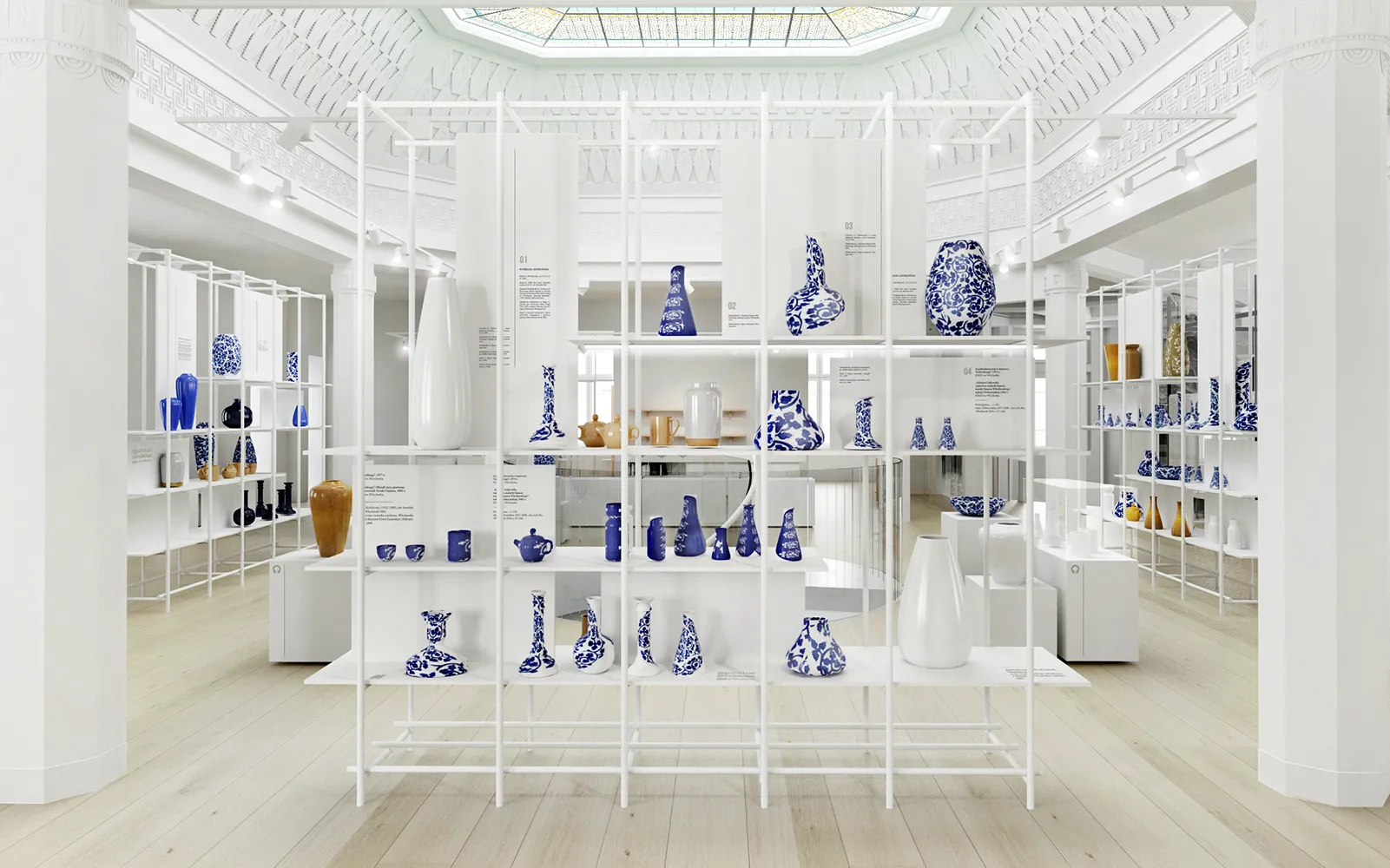
Faience Center
Muzeum POLIN
Competition design for a temporary exhibition
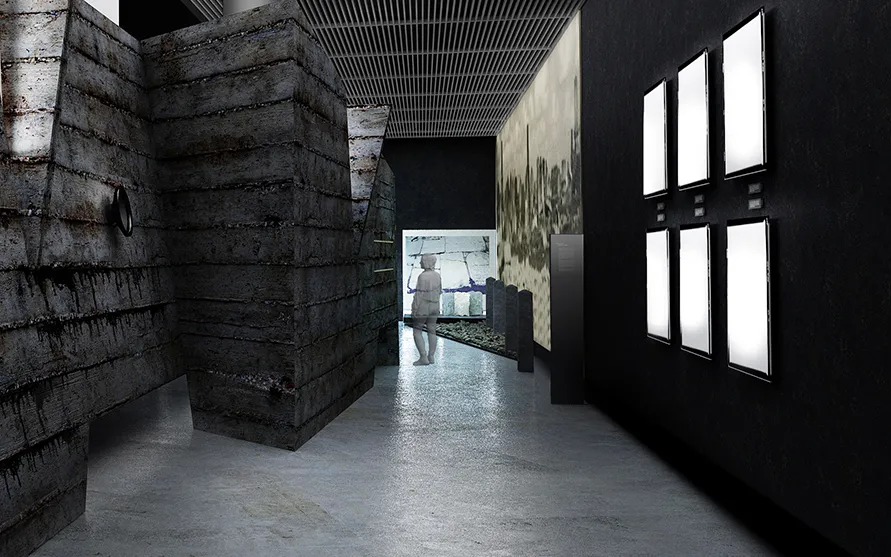
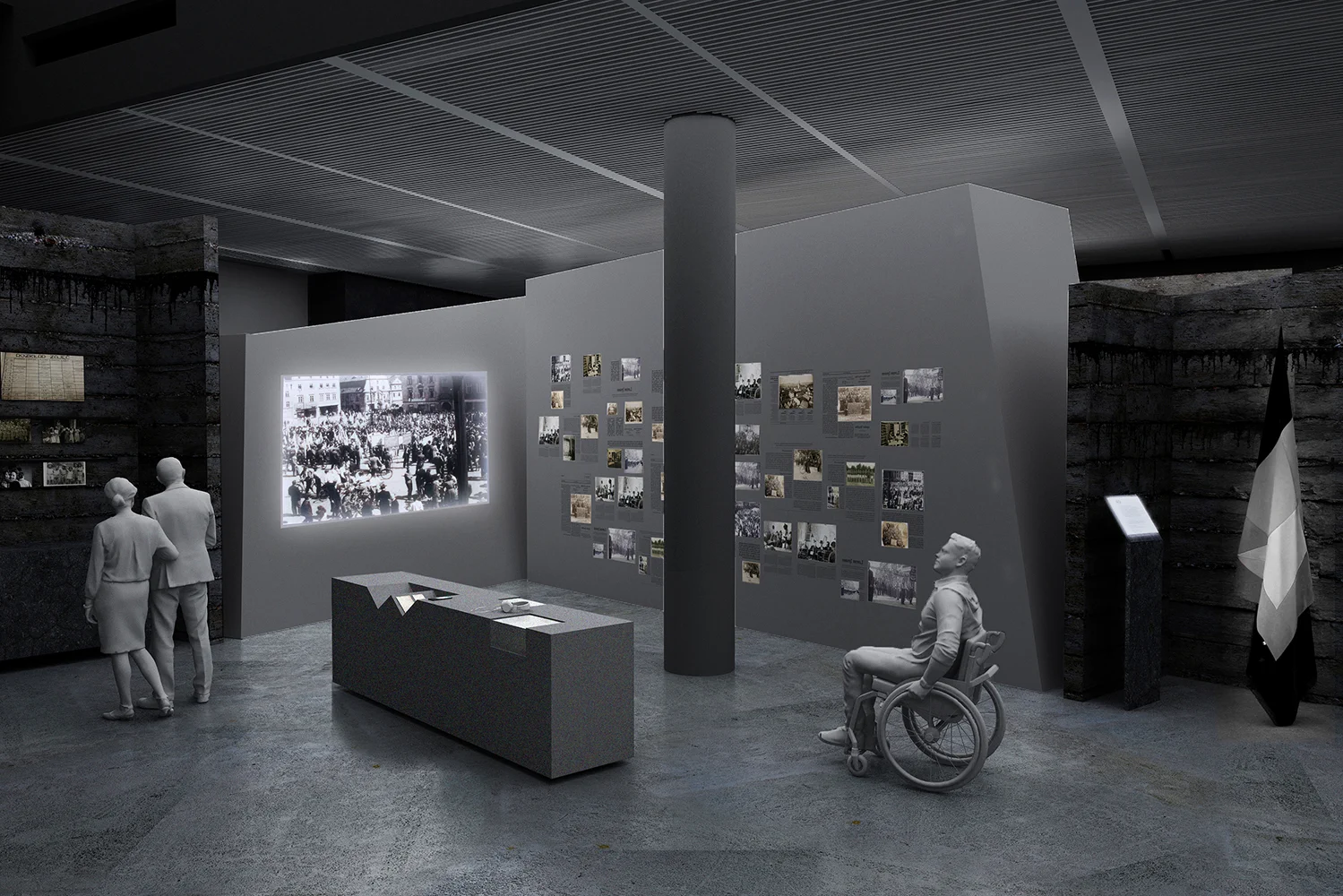
The main premise of the exhibition, formulated by the organizer, is to present what was the end of the war and the first post-war years for Polish Jews. The central theme of the exhibition is the unique experience of life after the Holocaust, without a family, without a home, without a nation.
The project reflects the post-war landscape of ruined cities to which the surviving Jews returned. Using sharp forms, sloping walls, rough textures, enviousness and disturbing the orientation of the path, we want to evoke a feeling of anxiety and destabilization.
The project reflects the post-war landscape of ruined cities to which the surviving Jews returned. Using sharp forms, sloping walls, rough textures, enviousness and disturbing the orientation of the path, we want to evoke a feeling of anxiety and destabilization.
The main premise of the exhibition, formulated by the organizer, is to present what was the end of the war and the first post-war years for Polish Jews. The central theme of the exhibition is the unique experience of life after the Holocaust, without a family, without a home, without a nation.
The project reflects the post-war landscape of ruined cities to which the surviving Jews returned. Using sharp forms, sloping walls, rough textures, enviousness and disturbing the orientation of the path, we want to evoke a feeling of anxiety and destabilization.
The project reflects the post-war landscape of ruined cities to which the surviving Jews returned. Using sharp forms, sloping walls, rough textures, enviousness and disturbing the orientation of the path, we want to evoke a feeling of anxiety and destabilization.
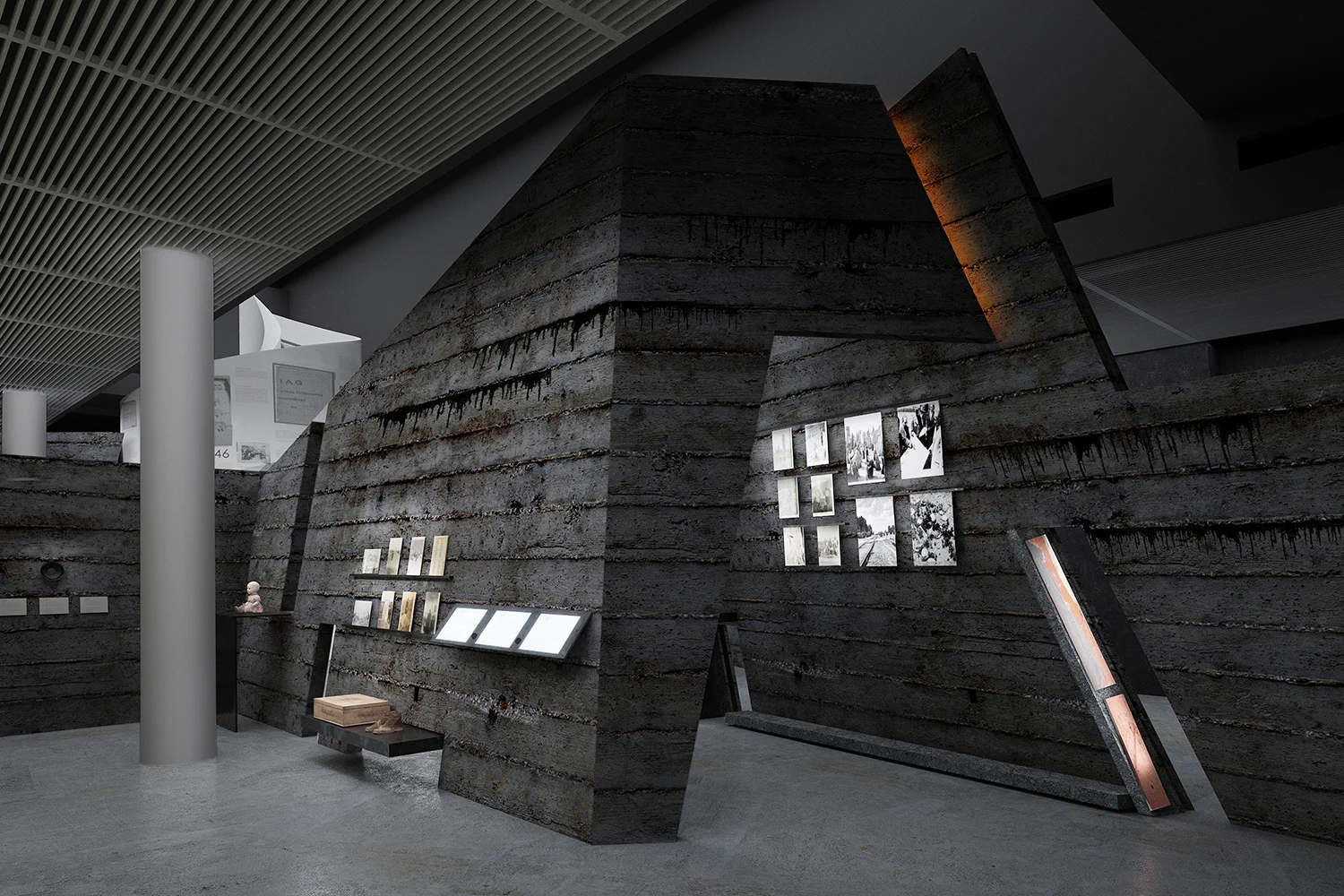
Just after entering the exhibition hall, the viewer will move along an empty, atectonic wall accompanied by sounds, a chosen work of art, arriving at a large-format photograph of the ruined city, against the background of which, on the exhibitors resembling granite border posts, will be presented a similar fate of small towns scattered throughout Poland. Going further, the space expands through the gaps of the wall, where surviving personal items such as dolls, shoes, suitcases will be exhibited. Objects, documents, artifacts will be located on pedestals or in cabinets / depending on needs / in cutouts, cracks in walls, so that they can be partially visible also in the adjacent space. Re-noticing a particular object will allow us to keep it in our memory longer. The long space will be crowned by a pedestal with macaws against the background of photographs showing the shameful use of tombstones as pavement slabs.
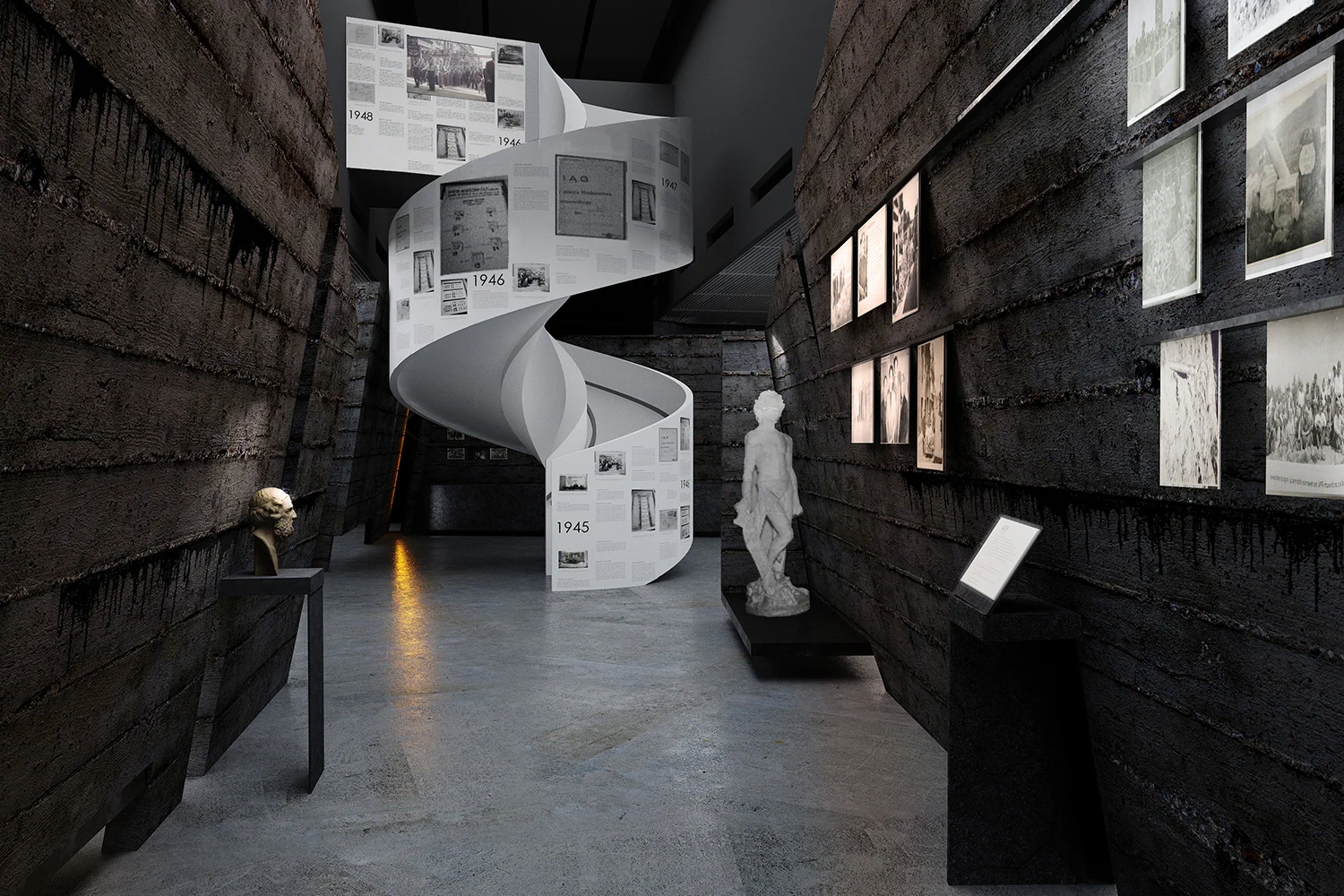
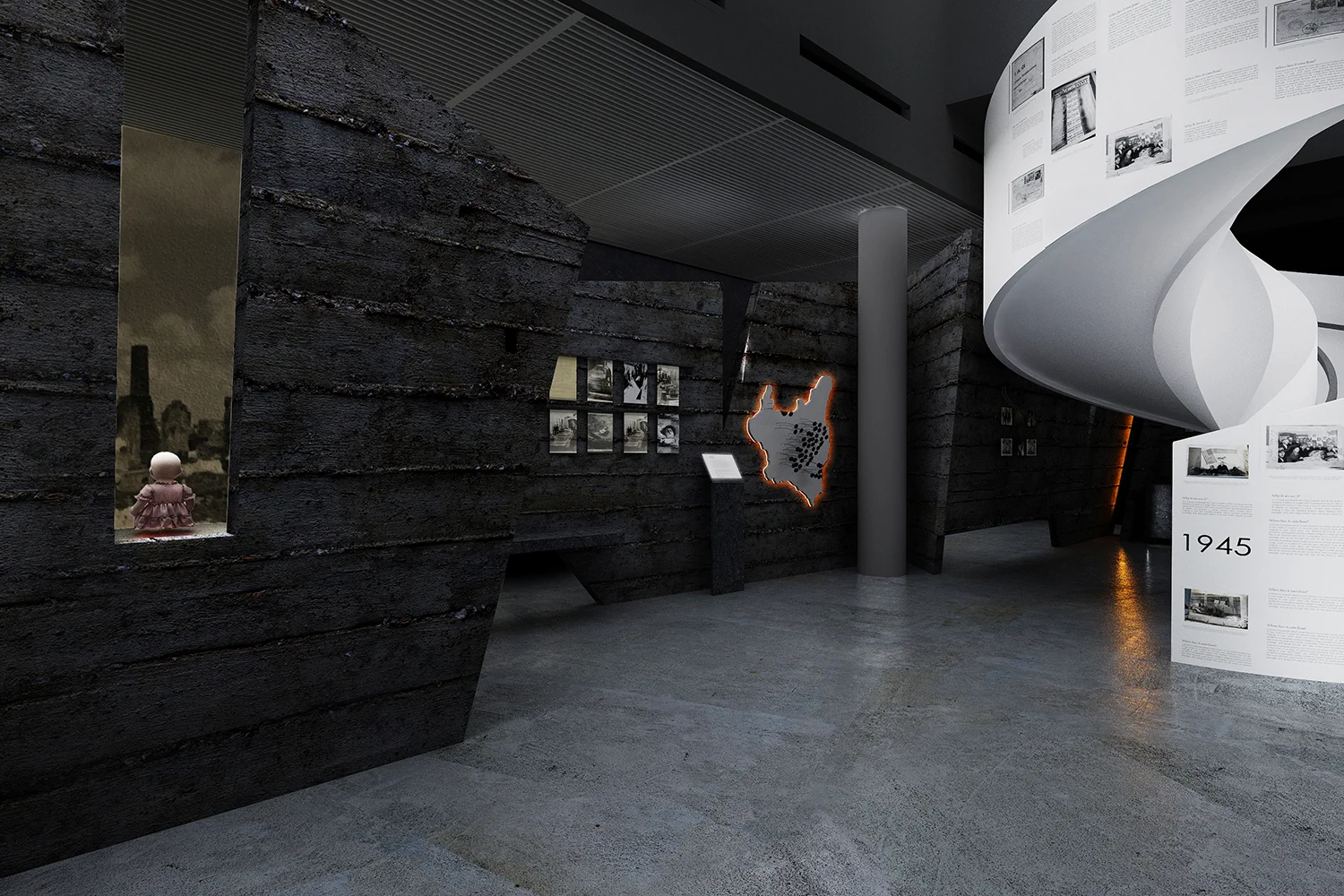
In front of the entrance to the high space, a symbolic house, to which the lone Survivor returns on a tilted pedestal from the wall, a furry with a torn meze is exposed. In this interior we present two heroes and the sculptures, objects, books, documents saved by them. On the axis of the entrance of this space will be the dominant block of the existing stairs, which will house an exposition of information about New Poland with the hope of equality and career. After leaving this space on the left we will see the Pogromy Kieleckie, behind the stairs an exposition concerning the fate of children, and just on the right a film projection in the zone "rebuilding life". The walls-screens in this zone have a different color, without rough textures, suggesting a somewhat small hope for a change in the situation and a better future.
RESPONSIBLE PERSONS
Beata Szymańska
Jarosław Szymański
Permanent Exhibition at the Jewish Historical Institute
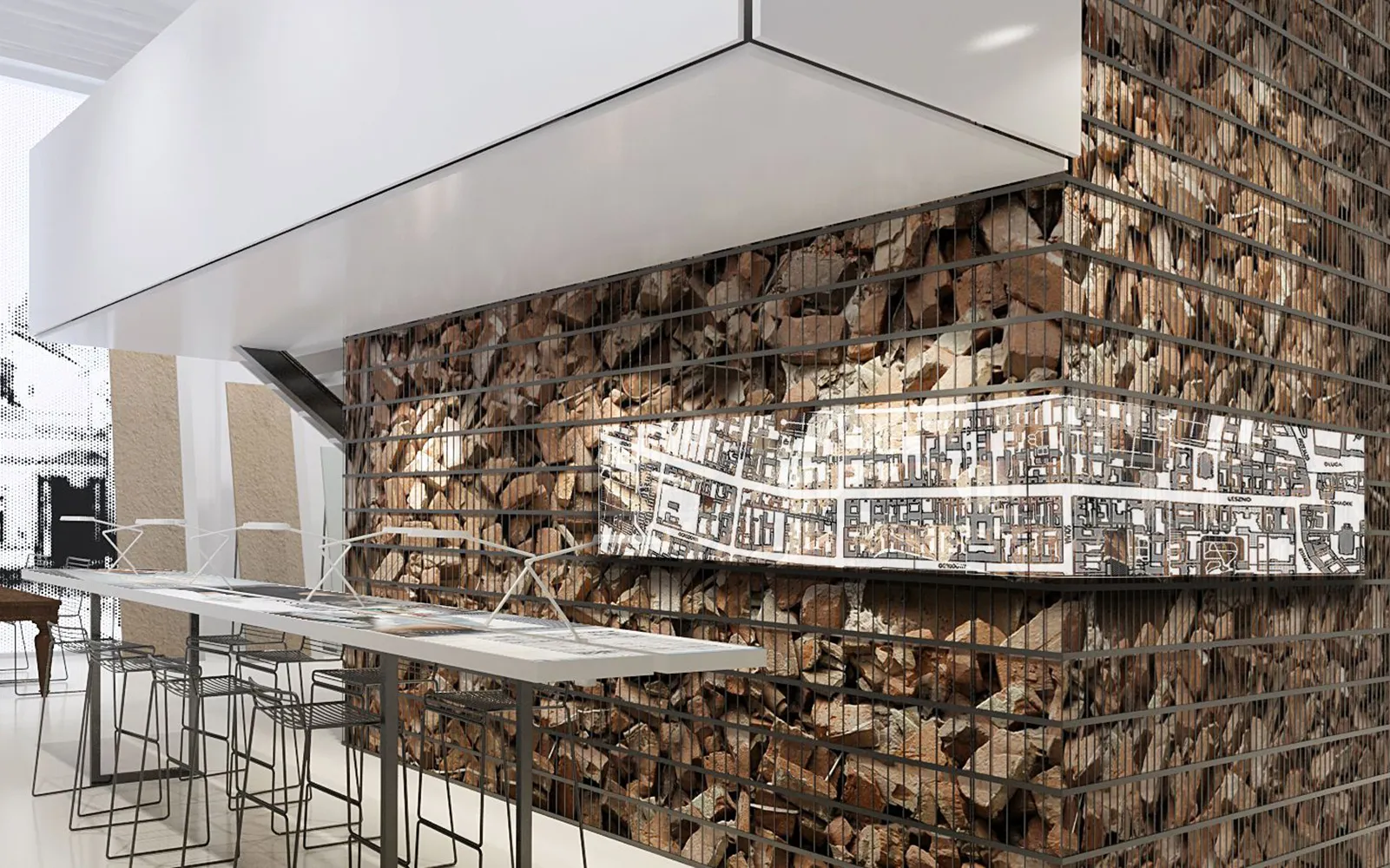
"The Ringelblum Archive" - Permanent Exhibition Concept at the Jewish Historical Institute in Warsaw
Permanent Exhibition at the Jewish Historical Institute
"The Ringelblum Archive" - Permanent Exhibition Concept at the Jewish Historical Institute in Warsaw
Impact – temporary exhibition
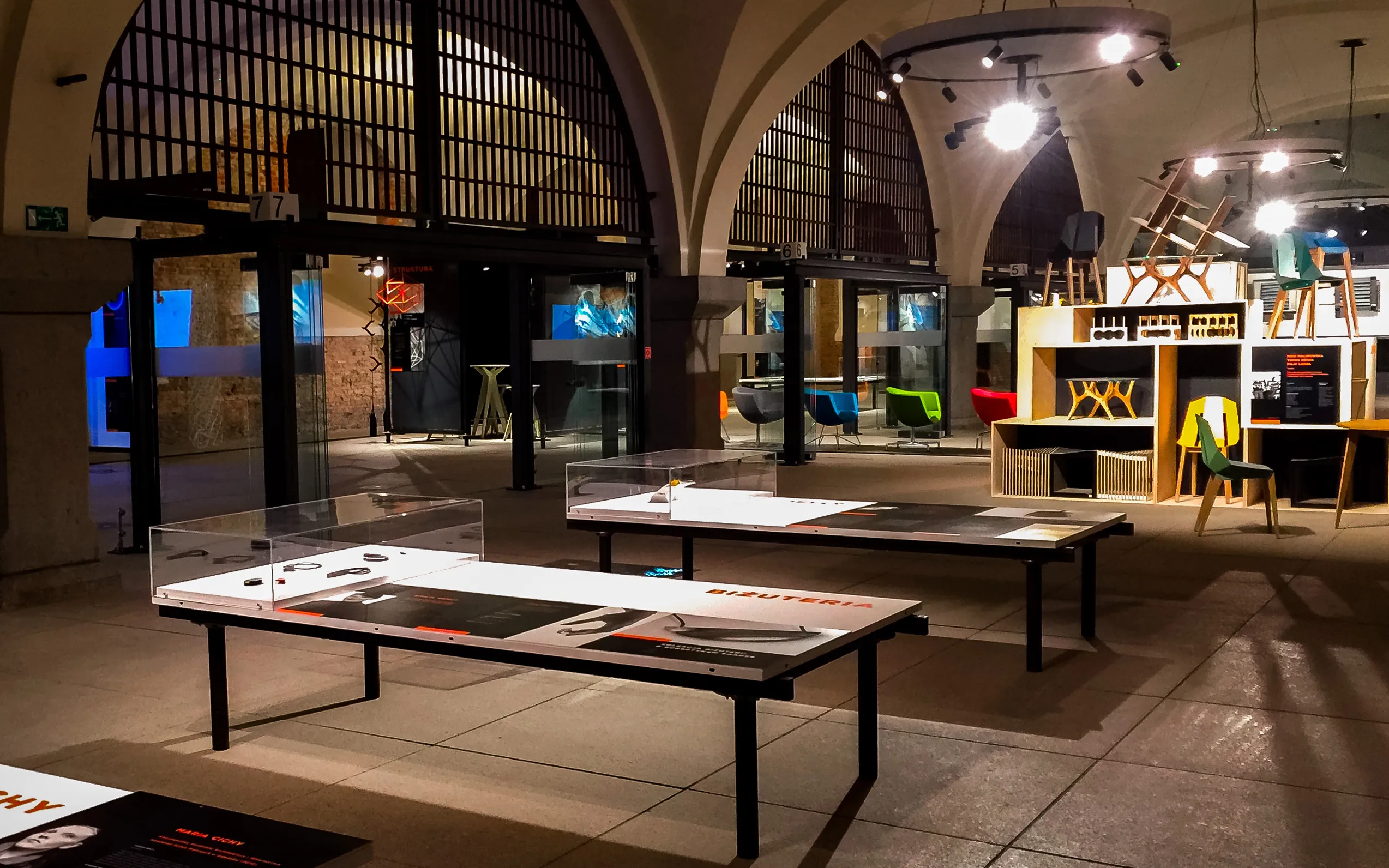
Exhibition of the works by the industrial design alumni in the Great Armoury at the Academy of Fine Arts in Gdańsk
Impact – temporary exhibition
Exhibition of the works by the industrial design alumni in the Great Armoury at the Academy of Fine Arts in Gdańsk
European Solidarity Centre – Visual orientation system
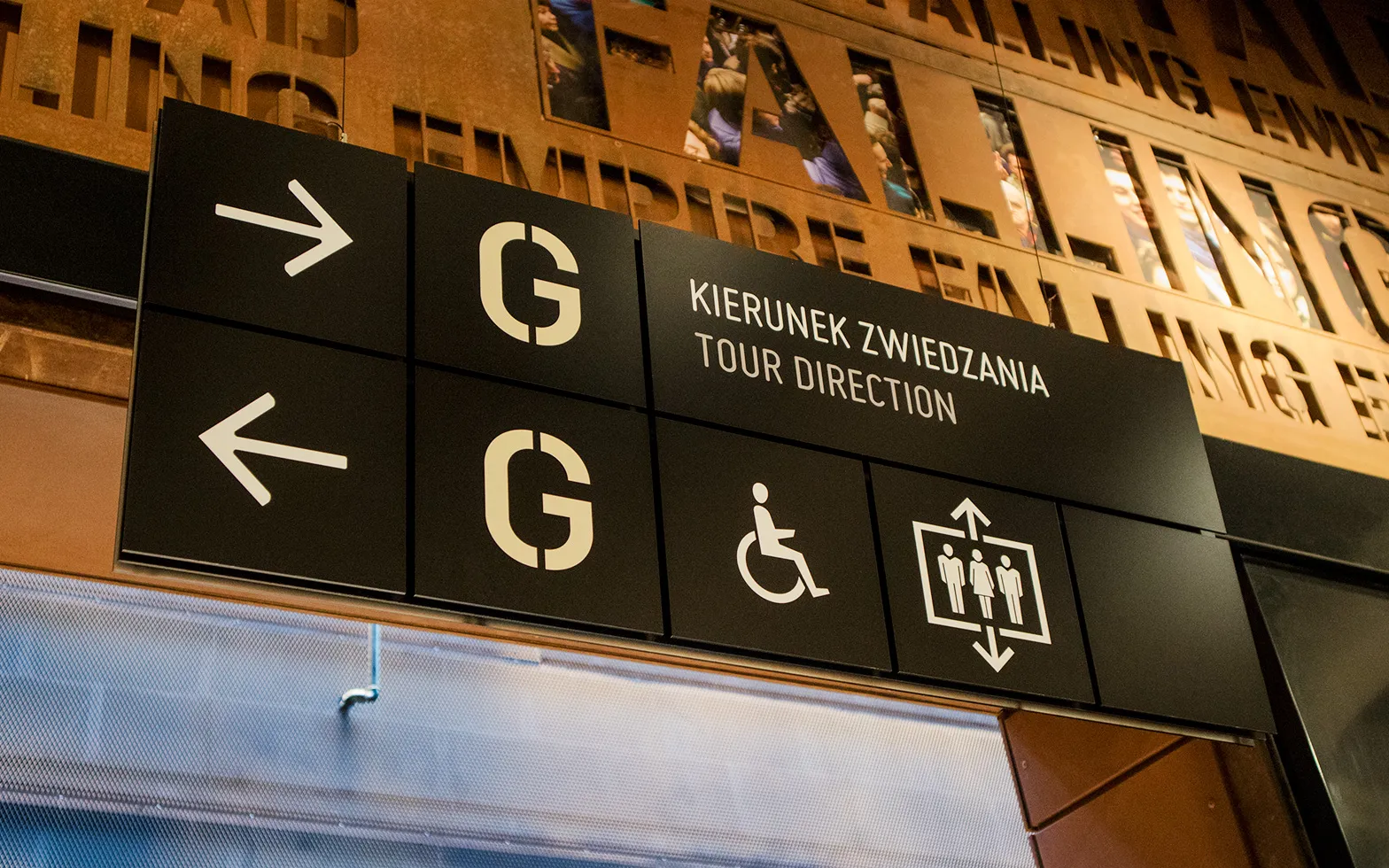
The visual orientation system in the building of ECS
European Solidarity Centre – Visual orientation system
The visual orientation system in the building of ECS
Mezzanines in European Solidarity Centre
Development of two mezzanine spaces in the building of the ECS
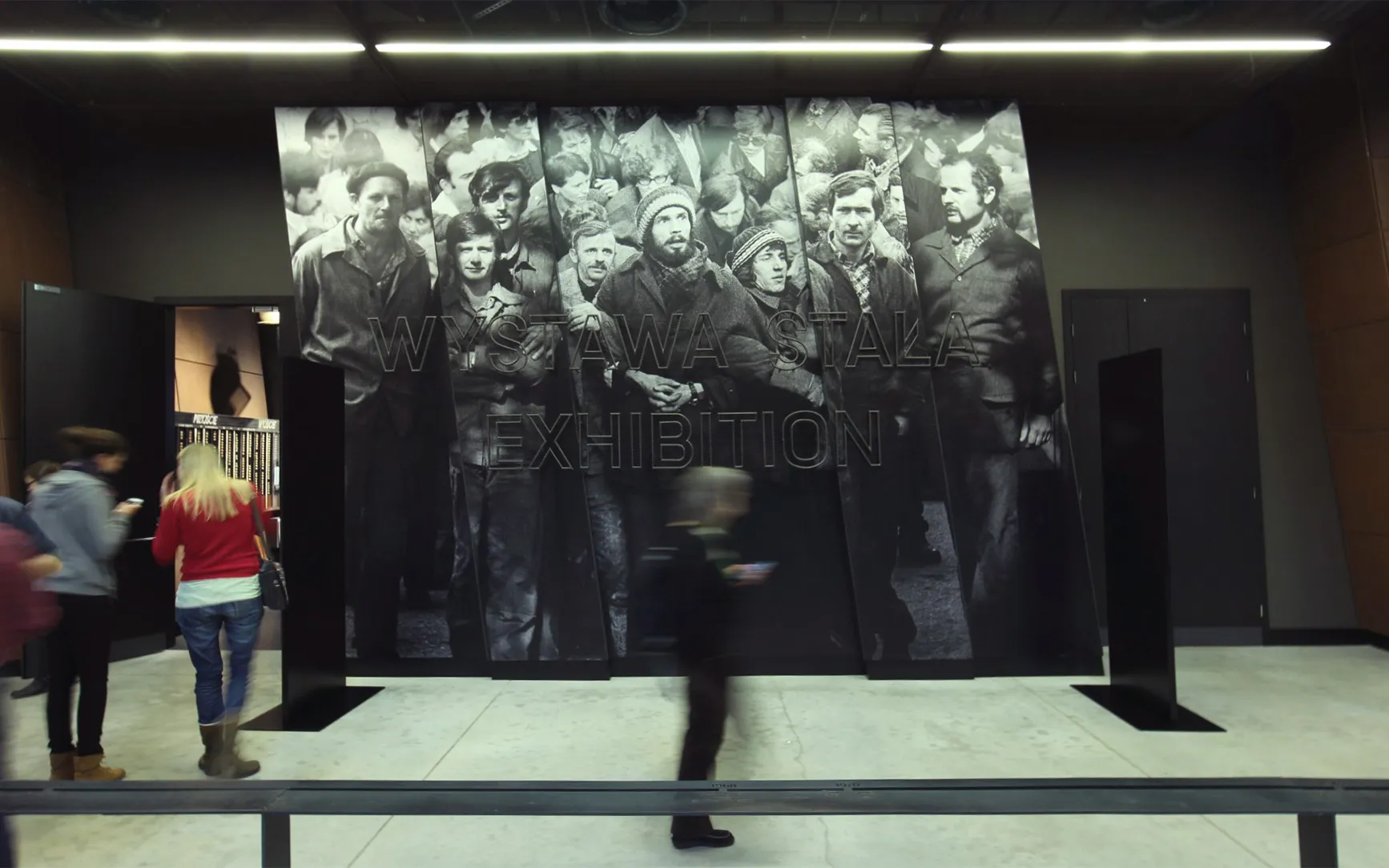
Mezzanines in European Solidarity Centre
Development of two mezzanine spaces in the building of the ECS
Amber Treasures Exhibition
Permanent exhibition in the basement of Zamek Średni in Malbork
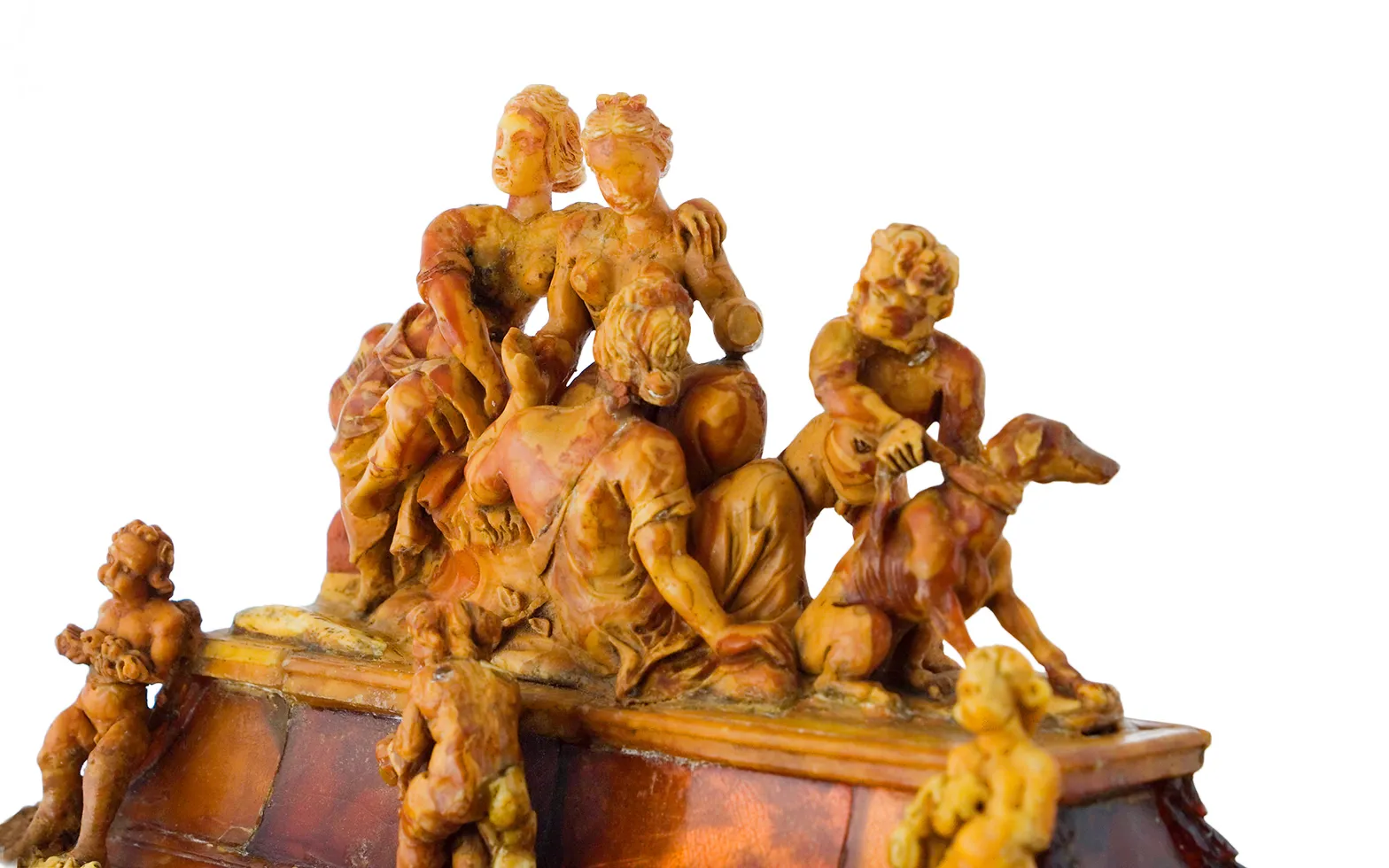
Amber Treasures Exhibition
Permanent exhibition in the basement of Zamek Średni in Malbork
Charm of silver & Magic of gold
Temporary exhibition at the Malbork Castle Museum
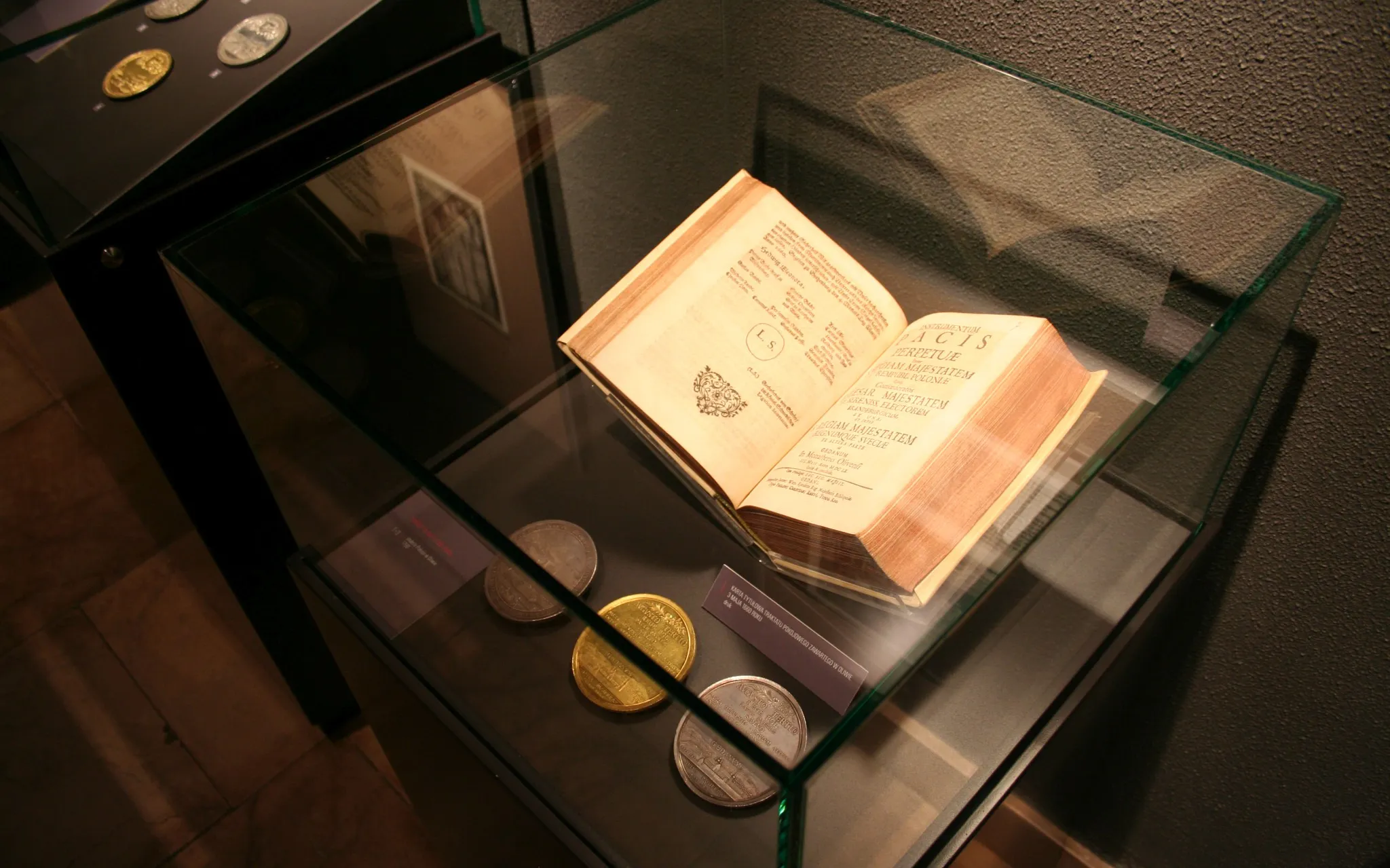
Charm of silver & Magic of gold
Temporary exhibition at the Malbork Castle Museum
Gunter Grass „Cień”
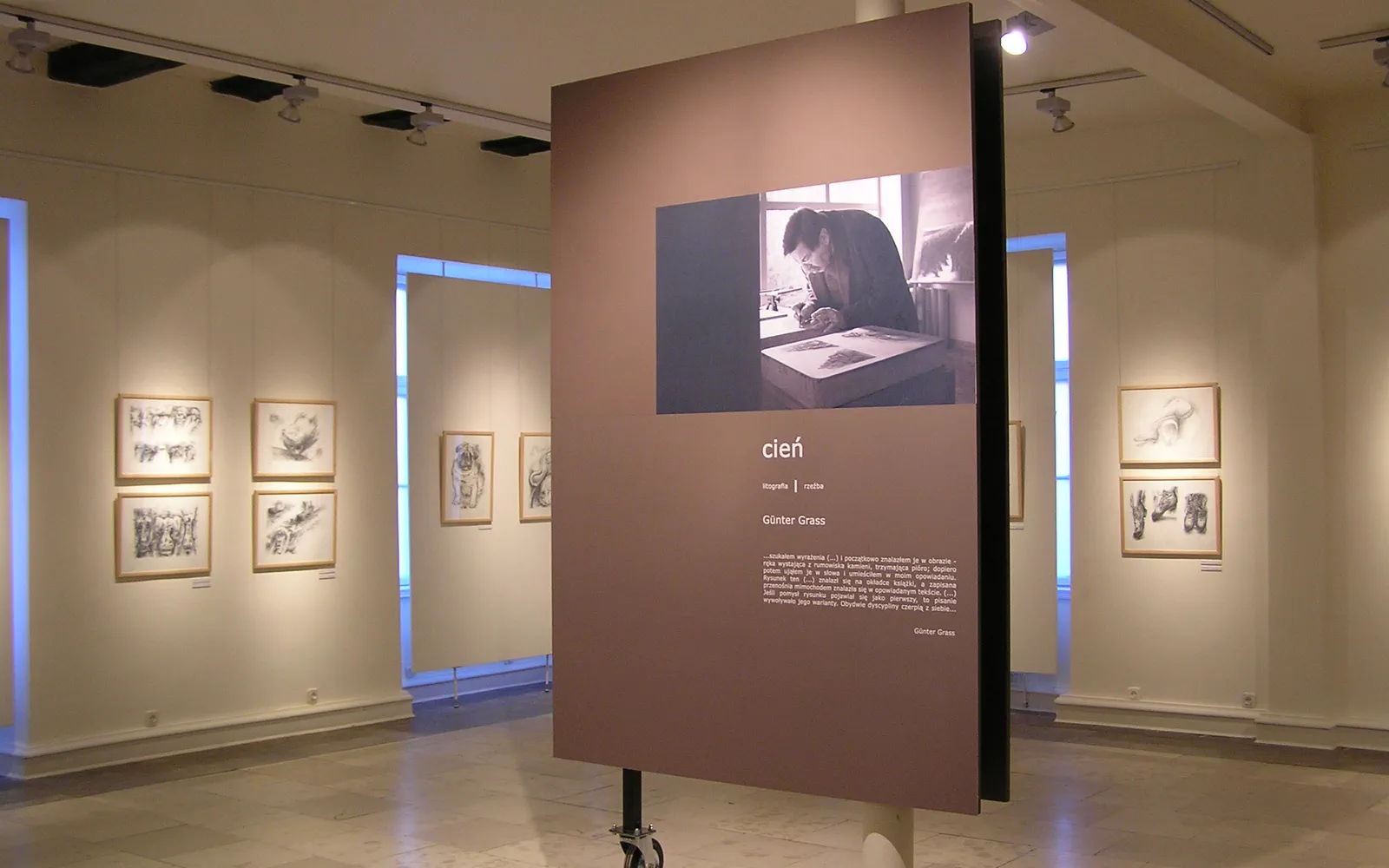
Gunter Grass „Cień”